


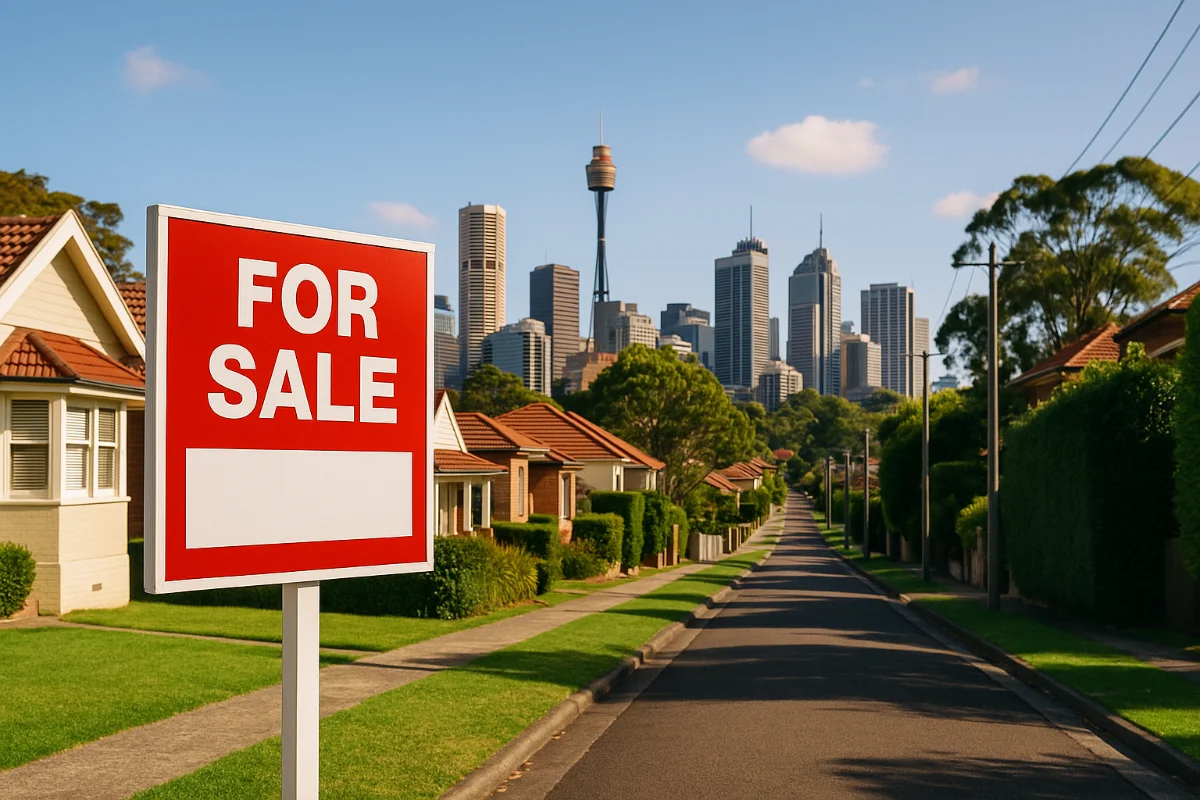
The State of Housing Affordability in Australia Right Now
- September 29, 2025
- by
- thetradieguide@gmail.com
There’s a running joke in Australia: if you want to own a house in Sydney, you’d better start saving in preschool. Behind the humour, though, lies a serious issue—Housing Affordability in Australia. Whether you’re a first-home buyer eyeing a townhouse, a renter watching rents climb like the Harbour Bridge, or an investor trying to make sense of it all, affordability is at the centre of the housing conversation.
This blog post explains the state of housing affordability in Australia right now—why it’s so challenging, what drives the crisis, and what options exist for everyday Aussies. We’ll keep it informative but practical, sprinkle in some humour, and even throw in a quiz so you can test how “house-ready” you really are.
Snapshot Summary (At a Glance)
- Housing Affordability in Australia has reached a critical point, especially in capital cities.
- Home ownership rates are falling, particularly for under-35s.
- Renters are experiencing record-high rental stress, with vacancy rates at historic lows.
- Interest rates, wages growth, and housing supply all play major roles.
- Solutions involve government policy, innovative housing models, and financial planning.
Want to know what’s really happening (and whether you’ll ever own that dream home)? Keep reading!
What Does Housing Affordability in Australia Mean?
Housing affordability isn’t just about high house prices—it’s about how those prices compare to income, borrowing capacity, and cost of living.
In simple terms:
- If you’re spending more than 30% of your income on housing, you’re considered in “housing stress.”
- In 2025, many Australians are well beyond that point, both renters and buyers alike.
Example:
A couple in Melbourne earning $100,000 combined would need nearly 10 years of savings (without spending a cent on smashed avo toast) to afford a median-priced home deposit.
Why Housing Affordability in Australia Is Such a Challenge
Several factors are pushing affordability out of reach:
1. High Demand vs. Low Supply
Population growth and migration keep demand strong, while new housing construction lags.
2. Rising Interest Rates
The Reserve Bank’s rate hikes have made borrowing more expensive, shrinking how much banks will lend.
3. Wage Growth Lag
While house prices have doubled in some cities in the last 20 years, wages have not kept pace.
4. Rental Market Pressure
Record-low vacancy rates mean renters face bidding wars (and yes, people are offering extra just to secure a lease).
Affordability isn’t just a first-home buyer’s problem—it’s a nationwide economic challenge.
Quick Guide: First-Home Buyer’s Roadmap
The Situation
You want to buy a home but feel like you’ll need to win the lotto first.
Common Challenges
- “I can’t save a deposit fast enough.”
- “Banks won’t lend me enough.”
- “Every auction turns into a battle.”
How to Solve It
✔ Government Schemes – Look into the First Home Guarantee (smaller deposits with no LMI).
✔ Regional Options – Consider moving outside capital city centres where prices are lower.
✔ Rentvesting – Buy in an affordable area, rent it out, and keep renting where you live.
✔ Shared Equity Models – Some states co-invest in your home to help you get started.
Why It Works
These strategies help you enter the market sooner—without waiting decades.
The Rental Squeeze
It’s not just buyers—renters are struggling too.
- Vacancy rates in Sydney, Melbourne, and Brisbane are hovering around 1% or lower.
- Many households now spend 40–50% of income on rent.
- Competition is fierce, with some renters attending inspections alongside 50+ others.
Did You Know?
In 2024, some Aussies offered a year’s rent upfront just to secure a lease.
Humor Break: True Aussie Housing Moments
- Realising your Uber Eats bill last year could have covered two weeks’ mortgage repayments.
- Watching “The Block” and thinking, “Yep, that’s my retirement plan now.”
- Attending an open house and mistaking the line of people outside for a concert.
Government Policies and Housing Affordability
The government has tried various measures to improve affordability:
- First Home Owner Grants – Helpful, but often just push prices higher.
- Shared Equity Schemes – Governments take a stake in your property to reduce upfront cost.
- Increased Housing Supply Targets – Ambitious, but construction delays remain.
- Rental Reforms – Capping increases and improving tenant rights.
Expert Quote:
“Policy tweaks help, but without major boosts to supply, affordability will remain a challenge.” – Australian Housing Council
Interactive Quiz: Are You in Housing Stress?
Q1: What percentage of your income goes to housing costs?
- A. Under 30%
- B. 30–40%
- C. Over 40% (send help)
Q2: How long will it take you to save a 20% deposit?
- A. Under 5 years
- B. 5–10 years
- C. Longer than your Netflix subscription history
Q3: Have you ever offered above asking rent just to secure a place?
- A. Yes
- B. No
- C. I don’t want to talk about it
(Mostly B’s and C’s = yep, you’re feeling the crunch of housing affordability in Australia.)
FAQs: Housing Affordability in Australia
1. Why is housing so unaffordable in Australia?
A mix of high demand, low supply, interest rates, and stagnant wages.
2. Is it better to rent or buy right now?
Depends on your goals. Buying builds equity, but renting may be more flexible if affordability is out of reach.
3. Will prices ever drop significantly?
History shows dips, but long-term, property in Australia generally rises due to demand.
4. Can government policy fix affordability?
Policies can ease pressure, but structural issues (like supply shortages) need bigger solutions.
5. What’s the best way to prepare?
Save steadily, explore grants, and consider alternative models like rentvesting or shared equity.
Long-Term Outlook for Housing Affordability in Australia
- Urban Growth – Expect denser housing (apartments and townhouses).
- Regional Shifts – More Australians moving to regional centres for affordability.
- Sustainability – Energy-efficient homes may become the norm (and more costly upfront).
- Technology – Proptech platforms will make buying and renting more transparent.
Housing affordability won’t be “fixed overnight,” but innovation and long-term strategies can make it more manageable.
Conclusion
Housing Affordability in Australia is one of the country’s most pressing issues. For buyers, renters, and even investors, the struggle is real—but not hopeless. With government schemes, creative strategies, and smarter planning, Australians still have pathways into secure housing.
Whether you’re battling the rental market or saving for your first deposit, the key is resilience—and maybe a sense of humour when the auctioneer starts calling numbers you can’t believe.
Disclaimer
This article is for general informational purposes only. It is not financial or legal advice. Always consult with a licensed financial advisor, mortgage broker, or property expert before making housing decisions.
You may also Like
Australia’s Housing Trends Explained: What’s Changing in 2026