




Reduce Anxiety in Australia: Everyday Habits for a Calmer Mind
- December 29, 2025
- by
- thetradieguide@gmail.com
Feeling anxious is something many Australians experience at some point in life. Whether it’s stress from work, studies, family, or financial pressures, anxiety can affect your wellbeing and daily life.
This guide explores practical, everyday habits to reduce anxiety in Australia, backed by evidence and tailored to local lifestyles. From mindful practices to nutrition, movement, and digital detox tips, you’ll discover strategies to reclaim calm and mental clarity.
Quick Overview (Snapshot Summary)
- Mindfulness & Meditation: Reduce stress and stay present
- Exercise & Movement: Natural anxiety relief through physical activity
- Nutrition & Hydration: Foods and habits that calm the nervous system
- Sleep & Routine: Restful sleep improves emotional resilience
- Digital & Social Habits: Limit stress triggers from online life
Want to dive deeper? Keep reading for step-by-step strategies to feel calmer every day!
1. Mindfulness & Meditation
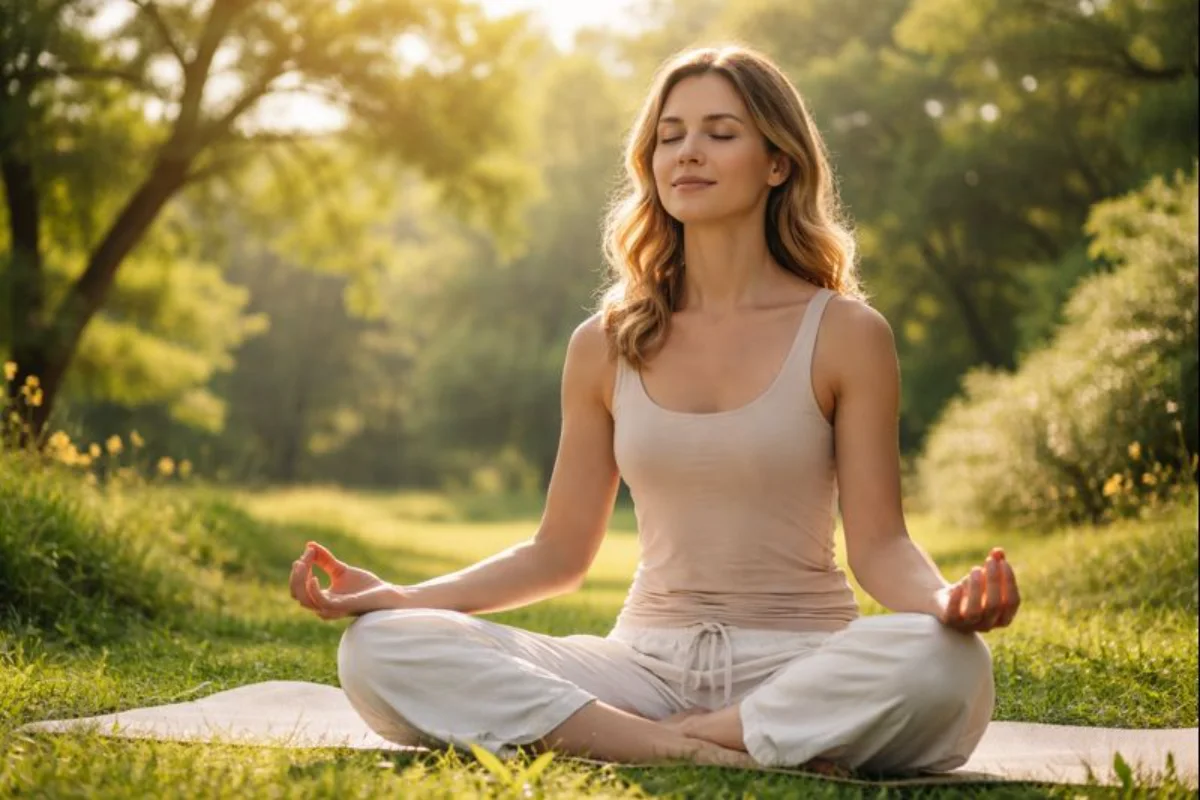
- Daily Meditation: Even 5–10 minutes of guided meditation can reduce cortisol levels
- Deep Breathing Techniques: Try box breathing (inhale 4, hold 4, exhale 4, hold 4)
- Mindful Activities: Gardening, painting, or walking in nature can anchor your mind
Did You Know? Australians spending time outdoors report lower anxiety and improved mood—nature really is therapeutic!
Humour Tip: You don’t need a yoga mat from Bali—your lounge room works just fine.
2. Exercise & Movement
- Aerobic Exercise: Walking, jogging, cycling, or swimming releases feel-good endorphins
- Strength Training: Builds confidence and reduces tension
- Yoga & Stretching: Combines movement with mindful breathing for double effect
Pro Tip: Consistency beats intensity—15–20 minutes daily is better than a 2-hour workout once a week.
3. Nutrition & Hydration
- Balanced Diet: Focus on fruits, vegetables, lean proteins, and whole grains
- Limit Caffeine & Sugar: Too much can spike anxiety
- Hydration: Even mild dehydration can increase irritability and stress
Fun Fact: A cup of herbal tea—like chamomile or green tea—can soothe both mind and stomach.
4. Sleep & Routine
- Consistent Sleep Schedule: Go to bed and wake up at the same time every day
- Sleep-Friendly Environment: Dark, cool, and quiet bedroom improves rest
- Wind-Down Routine: Reading, stretching, or journaling before bed reduces racing thoughts
Did You Know? Poor sleep is one of the strongest predictors of anxiety. Treat your bed like a sanctuary, not a phone dock.
5. Digital & Social Habits
- Limit Social Media: Constant scrolling can trigger comparison and stress
- Notification Detox: Turn off non-essential alerts to reclaim focus
- Tech-Free Breaks: Regular offline time allows your nervous system to reset
Humour Tip: Your phone won’t miss you for 30 minutes—promise.
6. Quick Guide: Actionable Daily Routine for Anxiety Relief
- Morning: 5-min meditation + glass of water
- Midday: 20-min walk or light exercise
- Afternoon: Balanced meal + brief digital break
- Evening: Journaling or mindful activity
- Night: Wind-down routine + 7–9 hours sleep
Try implementing one habit at a time. Small steps compound into long-term calm.
7. Interactive Quiz: How Calm Is Your Mind?
1. How often do you feel tense or anxious?
A. Rarely
B. Sometimes
C. Frequently
2. How many hours of sleep do you get on average?
A. 7–9
B. 5–6
C. Less than 5
3. How often do you exercise weekly?
A. 4+ times
B. 2–3 times
C. Rarely
Results:
- Mostly A → Excellent! Maintain habits and stay mindful
- Mostly B → Implement small changes for consistency
- Mostly C → Focus on sleep, movement, and mindfulness strategies
8. FAQs
Q1: Can meditation really reduce anxiety?
Yes. Research shows daily meditation reduces stress hormone levels and improves emotional regulation.
Q2: Are natural remedies effective for anxiety?
Herbal teas, magnesium-rich foods, and omega-3s may support calmness, but severe anxiety may require professional care.
Q3: How long before I notice improvements?
Consistency is key. Most people notice subtle changes in 2–4 weeks with daily practice.
Q4: When should I seek professional help?
If anxiety interferes with daily life, work, relationships, or sleep, consult a psychologist, GP, or mental health professional.
Conclusion
Reducing anxiety in Australia doesn’t require radical lifestyle changes. By incorporating simple, everyday habits—mindfulness, regular movement, balanced nutrition, quality sleep, and mindful tech use—you can regain control over your mental wellbeing. Small consistent steps build resilience and help you navigate modern life with calm and clarity. Remember, it’s not about perfection but sustainable habits that fit your life. For severe or persistent anxiety, always seek professional support. Start today with one small change, and gradually integrate more strategies to create a calmer, healthier, and more balanced mind.
Disclaimer
This article provides general information on anxiety management and wellbeing in Australia and is not medical advice. Consult licensed healthcare professionals for personalised guidance.
You may also Like

Simple Wellness Habits for Busy Australians (That Actually Stick)
10 Simple Wellness Routine Ideas for a Healthier, Happier You