


Australia’s Housing Trends Explained: What’s Changing in 2026
- January 14, 2026
- by
- thetradieguide@gmail.com
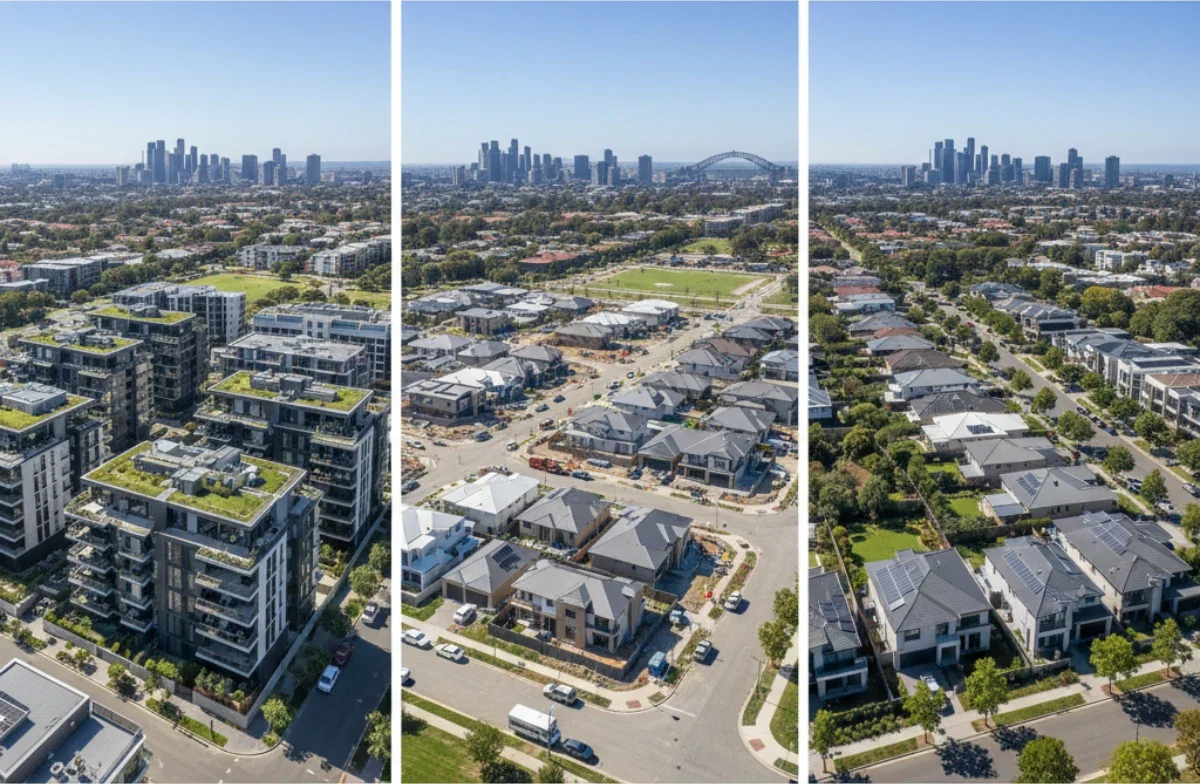
The Australian housing market has experienced significant shifts in recent years — and 2026 looks set to bring new trends shaping where, how, and why people live. Whether you’re a buyer, renter, investor, or homeowner, understanding housing trends in Australia helps you adapt with confidence and make smarter property decisions.
In this guide, we break down the key trends, what’s driving them, and how they impact everyday Aussies.
Quick Overview (Snapshot Summary)
- Regional migration: More people moving beyond major cities
- Rental market pressures: High demand and rising rents
- Housing affordability focus: Policy responses and grants
- Sustainability & green homes: Growing buyer preferences
- Tech in real estate: Digital tools changing property search and transactions
Want to stay ahead of the property curve? Keep reading!
1. Regional Migration & Changing Living Preferences
More Australians are choosing regional towns and suburbs over big cities like Sydney or Melbourne.
Reasons include:
- Remote work flexibility
- Lower cost of living
- Lifestyle priorities (space, outdoor access)
Pro Tip: Regional areas with strong infrastructure, schools, and transport links are attracting first-home buyers and downsizers alike.
2. Rental Market Trends: Tight Supply & Rising Costs
Australia’s rental market continues to tighten, especially in:
- Inner-city zones
- University precincts
- High-employment regional hubs
What renters need to know:
- Rents are rising faster than wages in several states
- Demand outstrips supply in many areas
- Investors are cautiously returning to the market
According to the Australian Bureau of Statistics (ABS), rental price growth remains strong in major capitals.
Source: https://www.abs.gov.au
3. Affordability & Government Policy in 2026
Housing affordability remains a national focus. Governments are responding with policies and incentives, such as:
- First homebuyer grants
- Stamp duty concessions
- Shared equity schemes
These initiatives aim to help buyers enter the market or reduce upfront costs.
Pro Tip: Always check your state or territory housing authority for updated incentives (e.g., NSW, VIC, QLD).
4. Sustainability & Green Homes
Sustainability is no longer a niche trend — it’s mainstream. Buyers increasingly prioritise:
- Energy-efficient homes
- Solar panels and battery storage
- Passive design and insulation
- Eco-friendly materials
Properties with sustainable features can attract higher demand and resale value.
5. Tech Disruption in Real Estate
Tech continues to transform how Australians buy, sell, and rent property:
- Virtual property tours — explore listings from anywhere
- AI price estimates — smarter market valuations
- Online conveyancing tools — faster settlement processes
- Property apps — push alerts for new listings
These tools enhance transparency and convenience for consumers and agents alike.
6. Quick Guide: What Buyers & Renters Should Do in 2026
✔ Keep an eye on regional markets with strong growth potential
✔ Understand your borrowing power and incentives available
✔ Factor in rental demand and rates before relocating
✔ Consider sustainable features when comparing homes
✔ Use digital tools to shortlist and evaluate properties
7. Interactive Survey: What Housing Trend Affects You Most?
1. What’s your current property goal?
A. Buy a home
B. Rent long-term
C. Invest in property
D. Sell / downsize
2. What’s most important in your search?
A. Affordability
B. Location & lifestyle
C. Sustainability features
D. Tech access (schools, internet etc.)
3. Where do you want to live?
A. Capital city
B. Suburbs
C. Regional town
D. Coastal area
Results Guide:
- Mostly A → Focus on first-home buyer grants and affordability tools
- Mostly B → Balance lifestyle with proximity to services
- Mostly C → Regional markets might suit you best
- Mostly D → Consider connectivity and infrastructure quality
8. FAQs — Housing Trends Australia 2026
Q1: Are property prices expected to rise further in 2026?
Rising population and limited supply in key regions suggest continued price growth, though rates vary by location.
Q2: Should I consider regional areas for investment?
Many regional markets show strong rental demand and lifestyle appeal — making them attractive for both buyers and investors.
Q3: Do green homes sell faster?
Homes with sustainability features often appeal to a growing segment of buyers, potentially boosting sale interest.
Q4: Is tech really changing how Australians buy homes?
Yes — from virtual tours to online settlements, tech is speeding up and simplifying property transactions.
Conclusion
Australia’s housing trends in 2026 reflect a shifting property landscape influenced by lifestyle priorities, affordability pressures, sustainability expectations, and digital innovation. Understanding these trends helps buyers, renters, investors, and sellers make informed decisions that align with personal and financial goals. Whether you’re looking to buy your first home, upgrade, invest, or rent, keeping an eye on regional growth, rental market dynamics, government incentives, and tech advances will give you an edge. While markets evolve, strategic planning and up-to-date knowledge will ensure you’re well positioned in Australia’s dynamic housing environment.
Disclaimer
This article is for general informational purposes and does not constitute financial or legal advice. Consult licensed professionals for personalised guidance.
You may also Like