




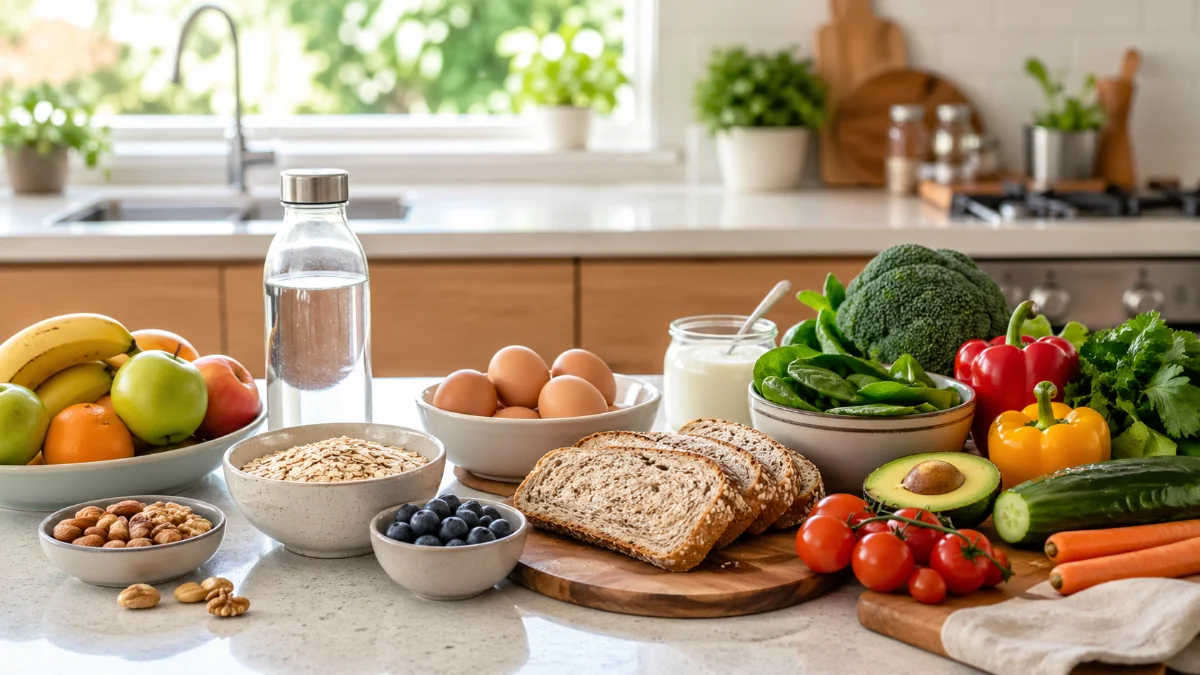
Nutrition Tips Australia: Simple Ways to Eat Better Every Day
- April 30, 2026
- by
- thetradieguide@gmail.com
Eating well does not need to mean strict diets, expensive superfoods, or meal prepping 42 containers of chicken and broccoli every Sunday. For most people, better nutrition starts with simple daily choices that are realistic, affordable, and easy to repeat.
If you are searching for nutrition tips Australia, this guide gives you practical, everyday advice based on Australian health guidance. We will cover balanced meals, hydration, smart shopping, healthy swaps, portion awareness, and how to build habits that actually fit real life.
This is not about perfection. It is about feeling better, having more energy, and making food choices that support long-term wellbeing.
Quick Overview
Here is the short version:
- Eat from the five food groups most days.
- Build meals around vegetables, wholegrains, lean proteins, fruit, and dairy or alternatives.
- Drink plenty of water.
- Limit highly processed foods high in saturated fat, added salt, added sugar, and alcohol.
- Plan simple meals instead of relying on last-minute takeaway.
- Focus on consistency, not “perfect eating.”
The Australian Dietary Guidelines recommend enjoying a wide variety of nutritious foods from the five food groups, and Healthdirect also explains that a healthy diet does not need to be complicated: eat from the five food groups in the right amounts and drink plenty of water. (Eat For Health)
1. Start With the Five Food Groups
The easiest way to improve your nutrition is to stop overcomplicating it. A balanced Australian eating pattern is built around five food groups:
- Vegetables and legumes or beans
- Fruit
- Grain foods, mostly wholegrain or high-fibre varieties
- Lean meats and poultry, fish, eggs, tofu, nuts, seeds, legumes or beans
- Milk, yoghurt, cheese or alternatives
These food groups are the foundation of the Australian Guide to Healthy Eating, which visually represents the recommended proportions of daily food choices. (Eat For Health)
Simple habit: At most meals, ask:
“Have I included protein, fibre, and colour?”
That one question can improve your plate without needing a complicated diet plan.
2. Add More Vegetables Without Making Life Miserable
Vegetables are one of the best nutrition upgrades you can make, but many people struggle to eat enough. The trick is to make them easy.
Try:
- Add spinach to eggs or wraps.
- Keep frozen vegetables in the freezer.
- Add grated carrot or zucchini to pasta sauce.
- Use pre-cut salad kits when you are busy.
- Roast a tray of vegetables twice a week.
The Australian Government’s food and nutrition guidance lists vegetables and legumes as a core food group and notes that adults should aim for at least five serves a day. (Health, Disability and Ageing Dept.)
Pro Tip: Frozen vegetables still count. They are affordable, convenient, and do not emotionally betray you by turning soggy in the fridge after two days.
3. Choose Wholegrains More Often
Carbohydrates are not the enemy. The type and portion matter.
Better everyday choices include:
- Oats
- Brown rice
- Wholegrain bread
- Wholemeal pasta
- Quinoa
- High-fibre cereals
Wholegrain and high-fibre grain foods are recommended in the Australian Dietary Guidelines because they provide important nutrients and support a balanced eating pattern. (Eat For Health)
Easy swap:
White toast every day? Try wholegrain toast a few times a week first. Small changes are easier to keep.
4. Include Protein at Each Main Meal
Protein helps with fullness, muscle maintenance, and energy balance.
Good options include:
- Eggs
- Chicken or turkey
- Fish
- Lean beef or lamb
- Greek yoghurt
- Tofu or tempeh
- Lentils, chickpeas, and beans
- Nuts and seeds
The Australian five food groups include lean meats and poultry, fish, eggs, tofu, nuts, seeds, and legumes or beans as key protein-rich foods. (Eat For Health)
Simple plate idea:
Protein + vegetables + wholegrain carbohydrate + healthy fat = balanced meal.
Example: grilled chicken, brown rice, salad, and avocado.
5. Drink More Water Before Changing Everything Else
Hydration is one of the simplest nutrition habits to improve.
Signs you may not be drinking enough include:
- Headaches
- Fatigue
- Poor concentration
- Dark urine
- Feeling hungry when you may actually be thirsty
Healthdirect recommends drinking plenty of water as part of a balanced diet. (Healthdirect)
Easy habit: Keep a water bottle near your desk, in the car, or beside your bed. If water is visible, you are more likely to drink it.
6. Limit “Sometimes Foods” Without Going Full Food Police
The Australian Dietary Guidelines recommend limiting foods high in saturated fat, added salt, added sugars, and alcohol. This includes many biscuits, cakes, pastries, processed meats, commercial burgers, pizza, fried foods, chips, and sugary drinks. (Eat For Health)
That does not mean you can never eat them. It means they should not be your everyday foundation.
Try this approach:
- Keep takeaway as a planned option, not a panic option.
- Swap soft drink for sparkling water sometimes.
- Choose grilled options more often than fried.
- Keep treat foods portioned instead of eating straight from the packet.
Humour check: Eating one biscuit does not ruin your nutrition. Eating the whole packet while standing in the pantry at 11 pm might be worth reviewing.
7. Use the “Balanced Plate” Method
This is one of the simplest nutrition tips for Australians because it works with most meals.
For lunch or dinner, aim for:
- ½ plate: vegetables or salad
- ¼ plate: lean protein
- ¼ plate: wholegrain or starchy carbohydrate
- Small amount: healthy fats, such as olive oil, avocado, nuts, or seeds
This style of eating reflects the Australian Guide to Healthy Eating’s focus on variety and proportions across the five food groups. (Eat For Health)
8. Plan for Busy Days Before They Happen
Most people do not eat poorly because they do not care. They eat poorly because they are tired, busy, and hungry.
Prepare a few low-effort backup meals:
- Tuna, rice, and salad bowl
- Eggs on wholegrain toast
- Greek yoghurt, fruit, and oats
- Wrap with chicken, salad, and hummus
- Lentil soup with wholegrain bread
- Stir-fry with frozen vegetables and tofu or chicken
Pro Tip: Your “emergency meal” should take less than 10 minutes. If it takes 45 minutes and uses three pans, it is not an emergency meal — it is a cooking show audition.
Quick Guide: Better Nutrition for Busy Australians
Common Challenges
- “I do not have time to cook.”
- “Healthy food feels expensive.”
- “I start well, then lose motivation.”
- “I rely on takeaway after work.”
How to Solve It
1. Repeat simple meals
You do not need a different breakfast every day. Repeating healthy meals saves decision energy.
2. Shop with a short list
Build your list around protein, vegetables, fruit, wholegrains, and healthy snacks.
3. Use frozen and canned options
Frozen vegetables, canned beans, tuna, and lentils are practical and affordable.
4. Improve one meal first
Start with breakfast or lunch instead of trying to overhaul your whole diet.
Why It Works
Nutrition improves when healthy choices become easier than unhealthy ones. Small systems beat motivation every time.
Interactive Quiz: How Balanced Is Your Eating Routine?
Answer honestly.
1. How often do you eat vegetables?
A. Most meals
B. Once a day
C. Rarely
2. Do you include protein at breakfast or lunch?
A. Usually
B. Sometimes
C. Not really
3. How often do you drink water during the day?
A. Regularly
B. When I remember
C. Mostly coffee counts, right?
4. How often do you plan meals ahead?
A. Weekly
B. Occasionally
C. Never
Results
Mostly A: You have a strong nutrition foundation. Keep refining.
Mostly B: You are close. Focus on consistency and easy meal planning.
Mostly C: Start with water, one vegetable serve, and one protein-rich breakfast. Keep it simple.
9. Smart Snack Ideas That Actually Help
Good snacks can prevent overeating later.
Try:
- Fruit and Greek yoghurt
- Wholegrain crackers with cheese
- Boiled eggs
- Carrot sticks and hummus
- Nuts and fruit
- Smoothie with milk or yoghurt and berries
The goal is not to snack constantly. It is to choose snacks that give you energy and help you avoid the “I am starving, where is the nearest drive-through?” moment.
10. Read Labels Without Getting Overwhelmed
You do not need to become a nutrition scientist. Start with:
- Added sugar
- Sodium
- Saturated fat
- Fibre
- Serving size
The Australian Government’s Health Star Rating system is designed to help people compare the overall nutritional profile of packaged foods within the same category. The system is currently used on many packaged products, and Australian health ministers agreed in 2026 to move toward making the system mandatory after voluntary uptake fell short of targets. (The Guardian)
Important: Use labels as a guide, not as a source of food anxiety.
FAQs: Nutrition Tips Australia
What is the easiest nutrition habit to start with?
Start by adding one extra serve of vegetables per day. It is simple, affordable, and supports a more balanced diet.
Do I need supplements to eat well?
Most people should focus on food first. Supplements may be useful for some people, but needs vary depending on age, diet, health conditions, pregnancy, and medical advice. Speak with a GP, accredited practising dietitian, or qualified health professional before starting supplements.
Is healthy eating expensive in Australia?
It can be, but it does not have to be. Affordable staples include oats, eggs, canned beans, lentils, frozen vegetables, rice, tuna, seasonal fruit, and yoghurt.
Are carbs bad for you?
No. Wholegrain and high-fibre grain foods are part of the Australian Dietary Guidelines. The key is choosing quality carbohydrates and eating portions that suit your needs. (Eat For Health)
How can I eat better if I hate cooking?
Use assembly meals: wraps, bowls, salads, yoghurt bowls, smoothies, and simple toast-based meals. Healthy eating does not always require cooking from scratch.
Conclusion
Eating better in Australia does not need to be complicated. Start with the basics: more vegetables, wholegrains, lean proteins, fruit, water, and fewer highly processed “sometimes foods.” The best nutrition habits are the ones you can repeat on busy days, not just perfect days. By using simple systems like the balanced plate method, easy snacks, and realistic meal planning, you can improve your energy, wellbeing, and long-term health without turning food into a full-time job. Small daily choices add up — and that is where better nutrition really begins.
Disclaimer
This article provides general nutrition information only and does not replace medical or dietetic advice. Individual nutrition needs vary based on age, health conditions, pregnancy, activity level, medication, and personal circumstances. For personalised guidance, speak with your GP or an Accredited Practising Dietitian.