




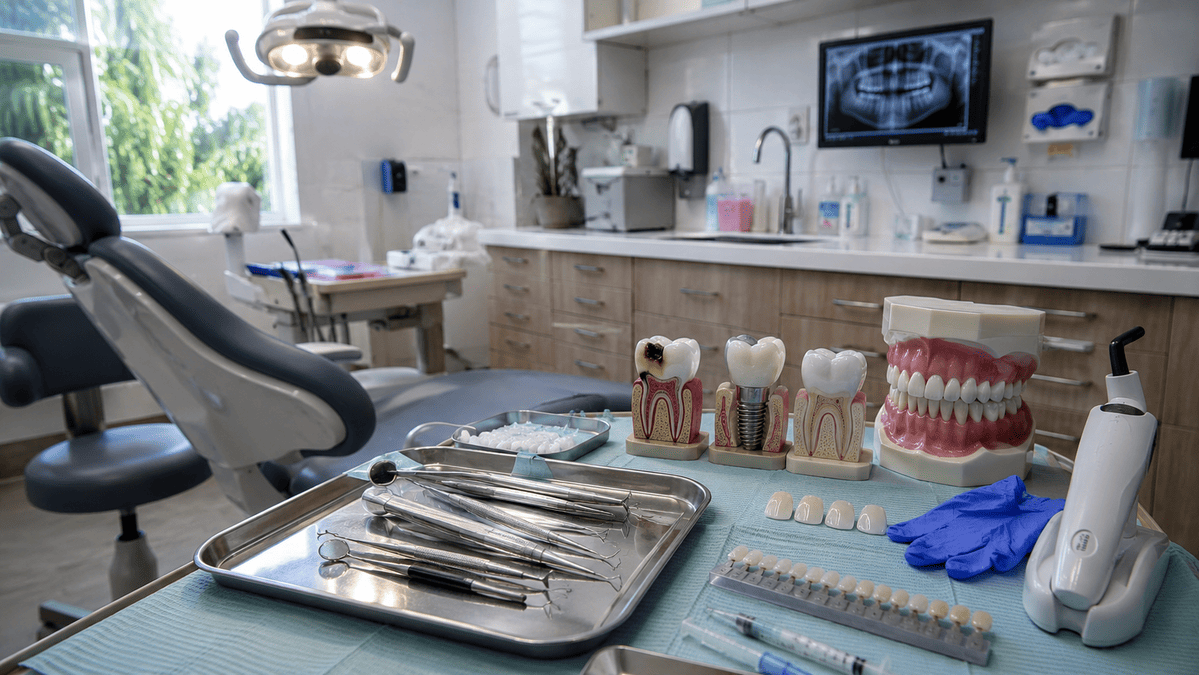
Dental Clinic Services Explained: From Cleaning to Cosmetic Dentistry
- June 29, 2026
- by
- thetradieguide@gmail.com
Understanding Dental Clinic Services: More Than Just Teeth Cleaning
When people hear the words Dental Clinic, they often think of one thing: sitting in a chair while someone asks, “Have you been flossing?” knowing full well the answer is probably “not enough.”
But modern dental clinics in Australia offer far more than routine cleans.
From preventive care to cosmetic treatments and emergency procedures, a Dental Clinic plays a major role in keeping your mouth healthy and your confidence intact. Whether you’re dealing with tooth pain, crooked teeth, stained enamel, or just trying to avoid future problems, understanding what services are available can help you make smarter decisions.
This guide breaks down the most common dental clinic services, what they involve, and when you might need them.
Quick Overview
Here’s the short version for those living life at 100km/h:
- A Dental Clinic offers preventive, restorative, and cosmetic dental care.
- Routine check-ups help detect problems early.
- Professional cleans reduce plaque, tartar, and gum disease risks.
- Fillings, crowns, and root canals repair damaged teeth.
- Cosmetic dentistry improves appearance and confidence.
- Emergency dental services handle urgent pain or accidents.
- Children and adults benefit from regular visits.
Want to dive deeper? Keep reading. Your teeth will appreciate the effort.
Preventive Dentistry: The Foundation of Oral Health
Prevention is cheaper, easier, and far less painful than treatment. Revolutionary concept, really.
Most Australian dental clinics focus heavily on preventive care.
Common preventive services include:
- Dental check-ups
- Scale and clean
- Fluoride treatments
- Dental X-rays
- Oral cancer screenings
- Gum health assessments
Regular visits every 6 to 12 months can help spot issues before they become expensive problems.
Did You Know?
Plaque starts forming within hours after brushing. Human teeth are basically tiny maintenance projects.
Professional Teeth Cleaning: More Important Than You Think
Brushing at home is essential, but it doesn’t remove hardened tartar.
That’s where professional cleaning comes in.
A dental hygienist or dentist will:
✔ Remove plaque build-up
✔ Clean below the gumline
✔ Polish the teeth
✔ Assess gum health
This service helps prevent:
- Bad breath
- Gum disease
- Tooth decay
- Tooth loss
Pro Tip:
If your gums bleed when brushing, don’t ignore it. That’s not your gums “being dramatic.”
Restorative Dentistry: Fixing Damaged Teeth
Life happens. Teeth chip, crack, decay, or simply wear down over time.
Restorative treatments focus on saving and repairing teeth.
Fillings
Used to repair cavities caused by tooth decay.
Modern fillings can be tooth-coloured, making them less noticeable.
Crowns
A crown acts like a protective cap over a damaged tooth.
Ideal for:
- Broken teeth
- Large fillings
- Weak teeth after root canal treatment
Root Canal Treatment
This sounds scary because movies made it scary.
In reality, it’s designed to save an infected tooth and relieve pain.
Bridges and Dentures
Used to replace missing teeth and restore function.
Strong teeth are great. Repaired teeth are still better than no teeth.
Cosmetic Dentistry: Improving Your Smile
Not all dental treatments are about pain or health. Some are about confidence.
Cosmetic dentistry has become increasingly popular across Australia.
Teeth Whitening
Professional whitening is faster and safer than over-the-counter kits.
Great for:
- Coffee stains
- Wine stains
- Smoking discolouration
Yes, Australia runs on coffee. Your enamel knows.
Veneers
Thin porcelain shells placed over teeth to improve appearance.
Perfect for:
- Chips
- Gaps
- Uneven shapes
- Deep stains
Invisalign and Clear Aligners
A more discreet way to straighten teeth.
Less metal, fewer food traps, fewer awkward yearbook photos.
Children’s Dentistry: Starting Early Matters
Good oral habits begin young.
Many dental clinics offer specialised care for children, including:
- First dental visits
- Cavity prevention
- Fissure sealants
- Fluoride applications
- Orthodontic monitoring
Signs your child may need a dental visit:
- Tooth sensitivity
- Difficulty chewing
- Thumb-sucking past age 5
- Crowded teeth
Making early visits positive can reduce dental anxiety later.
Because nobody wants a grown adult sweating through a routine clean.
Emergency Dental Services: When It Can’t Wait
Dental emergencies happen.
And they usually happen at the worst possible time.
A dental clinic can help with:
- Severe toothache
- Broken teeth
- Knocked-out teeth
- Swelling
- Infection
- Lost fillings
Important:
If a tooth gets knocked out, time matters. Seeing a dentist quickly increases the chance of saving it.
Quick Guide: When You Keep Putting Off the Dentist
You’ve noticed tooth sensitivity for months. Cold drinks sting. Hot coffee hurts. But life gets busy, and suddenly six months pass.
Sound familiar?
Common Challenges
- Does brushing feel uncomfortable now?
- Are you chewing on one side only?
- Is bad breath sticking around no matter what?
How to Solve It
Book a Check-Up Early
Small issues are easier to fix than big ones.
Get X-Rays if Recommended
Hidden problems love staying hidden until expensive.
Stick to Regular Cleans
Prevention keeps things manageable.
Ask About Treatment Options
Dentists can explain alternatives based on budget and needs.
Why It Works
Catching issues early saves money, stress, and your weekend plans.
Quick Quiz: How Healthy Is Your Smile?
Answer yes or no:
- Do your gums bleed when brushing?
- Have you had tooth pain in the last 3 months?
- Is it been over a year since your last dental visit?
- Do you hide your smile in photos?
- Do cold drinks make you wince?
Results:
0–1 Yes:
Pretty solid. Keep it up.
2–3 Yes:
Worth booking a check-up.
4–5 Yes:
Your teeth are waving red flags.
What to Look for in a Dental Clinic in Australia
Not all clinics are equal.
Before choosing one, consider:
Qualifications
Ensure the dentist is registered with the Australian Health Practitioner Regulation Agency.
Services Offered
A clinic offering both general and cosmetic services gives flexibility.
Technology
Modern tools like digital X-rays and intraoral cameras improve diagnosis.
Comfort and Communication
A good dentist explains things clearly without sounding like a robot reading repair manuals.
FAQs About Dental Clinics
How often should I visit a dental clinic?
Most people should visit every 6–12 months. High-risk patients may need more frequent visits.
Is professional teeth whitening worth it?
Short answer: yes.
It’s usually faster, safer, and more effective than supermarket kits.
Are dental check-ups expensive in Australia?
Costs vary depending on the clinic and treatment. Preventive care is usually far cheaper than emergency treatment.
Can a dental clinic fix crooked teeth?
Yes. Many offer braces or clear aligners.
What if I’m scared of the dentist?
That’s common. Many clinics offer gentle care, sedation options, and slower appointments.
Human fear of tiny metal hooks remains undefeated.
Do kids need dental visits even if baby teeth fall out?
Absolutely. Baby teeth guide permanent teeth and affect speech and eating.
Conclusion
A Dental Clinic does much more than clean teeth. From preventive check-ups and restorative repairs to cosmetic treatments and emergency care, dental clinics help Australians maintain both oral health and confidence.
The right dental care can prevent small issues from becoming major problems and keep your smile functioning at its best. Whether it’s your first visit in years or just time for a routine clean, understanding what’s available helps you take control of your dental health.
Because in the grand list of avoidable life regrets, “I should’ve gone to the dentist sooner” ranks surprisingly high.
You may also Like