




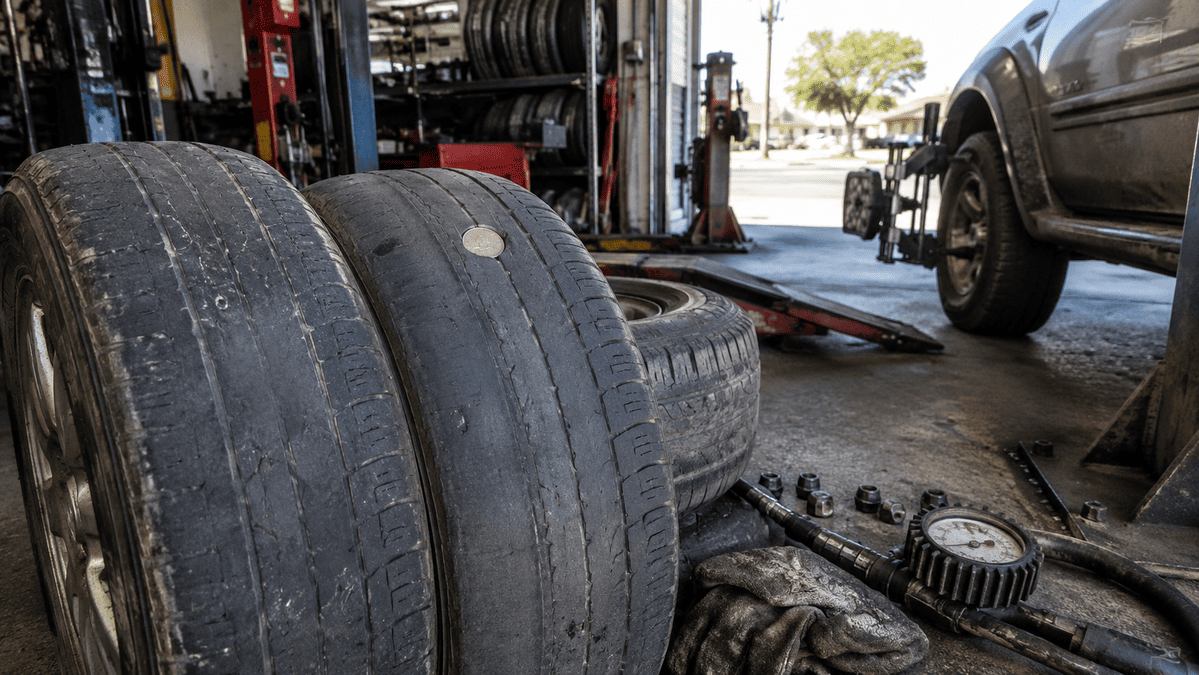
Worn Tyres? Here’s How a Trusted Tyre Shop Can Help
- June 30, 2026
- by
- thetradieguide@gmail.com
Tyres are one of those things most drivers ignore until something goes wrong. A little tread wear here, a weird vibration there, and suddenly you’re gripping the steering wheel like it owes you money. Human nature is fascinating. We’ll inspect avocado ripeness with military precision but drive on bald tyres like it’s fine.
If you’ve been searching for trusted Tyre Shop solutions or wondering whether a trusted tyre shop can actually help with worn tyres, the answer is simple: yes, and probably sooner than you think.
This guide explains how tyre wear happens, why it matters, and how the right tyre professionals in Australia can keep you safer, save you money, and stop your car from sounding like it’s auditioning for a horror film.
Quick Overview
Here’s the short version for busy people who only read summaries and then pretend they read the whole thing:
- Worn tyres reduce grip, braking performance, and fuel efficiency.
- A rusted Tyre Shop can inspect, repair, rotate, and replace tyres before they become dangerous.
- Uneven wear often points to alignment or suspension problems.
- Regular tyre checks can extend tyre life and improve road safety.
- Australian roads, heat, and long-distance driving can wear tyres faster than you think.
- Ignoring tyre damage now often means bigger costs later.
Want to dive deeper? Keep reading. Tyres may be round, but tyre problems can spiral quickly.
Why Worn Tyres Are More Serious Than They Look
Tyres are the only part of your car touching the road. That tiny patch of rubber carries your entire vehicle. Which is a ridiculous amount of responsibility for something people kick occasionally and call “checking.”
When tyres wear down, they lose:
- Traction on wet roads
- Braking efficiency
- Cornering stability
- Fuel economy
- Protection against blowouts
In Australia, conditions can be brutal. Hot roads, long drives, rough regional surfaces, and sudden weather changes all speed up tyre wear.
A tyre that looks “okay” can still be unsafe.
That’s where a trusted tyre shop comes in. They don’t just look at tread depth. They inspect pressure, wear patterns, age, sidewall damage, and alignment issues.
Signs Your Tyres Might Need Professional Attention
Some tyre problems are obvious. Others hide like tax paperwork.
Watch for these warning signs:
Uneven Tread Wear
If one side looks more worn than the other, it usually means:
- Poor wheel alignment
- Suspension issues
- Incorrect tyre pressure
Vibrations While Driving
A shaky steering wheel is rarely “just the road.”
It could mean:
- Unbalanced tyres
- Internal tyre damage
- Wheel alignment problems
Cracks or Bulges
Tyres age, dry out, and weaken. Like bread left in the sun, except far more dangerous at 100 km/h.
Reduced Grip in Wet Weather
Sliding more than usual? That’s not your car “having personality.”
It’s probably worn tread.
What a Trusted Tyre Shop Actually Does
A lot of people think tyre shops only sell tyres. That’s like thinking doctors only hand out band-aids.
A quality rusted Tyre Shop offers much more:
Tyre Inspections
Professionals check:
✔ Tread depth
✔ Pressure
✔ Sidewall damage
✔ Tyre age
✔ Wear patterns
Wheel Alignment
Poor alignment can destroy tyres fast.
Benefits include:
- Better fuel economy
- Smoother handling
- Longer tyre life
Pro Tip: If your car pulls left or right without you steering, get an alignment check. Unless your car is haunted.
Tyre Rotation
Rotating tyres spreads wear evenly.
Most Australian mechanics recommend it every:
- 8,000 to 10,000 km
This simple service can save hundreds over time.
Tyre Replacement
Sometimes repair isn’t enough.
A trusted tyre shop can recommend the right tyres based on:
- Vehicle type
- Driving habits
- Road conditions
- Budget
Not every driver needs premium racing tyres for the school run. Some do, but that’s usually ego talking.
Why Australian Drivers Shouldn’t Delay Tyre Checks
Australia is a unique driving environment.
Think about it:
- Long highway trips
- Extreme heat
- Coastal salt exposure
- Rough rural roads
- Heavy city traffic
All of these impact tyre lifespan.
According to road safety experts, worn tyres contribute to increased stopping distances, especially in wet conditions.
That extra few metres? Sometimes it’s the difference between a close call and paperwork.
And nobody enjoys insurance calls. Not even insurance people.
Quick Guide: What to Do If Your Tyres Look Worn
Imagine this:
You notice your car feels rougher lately. Steering feels off. The tyres look a bit flat. You tell yourself, “It’ll be fine till next week.”
Classic human optimism.
Common Challenges
- Is the tread too low, or am I overthinking it?
- Why does my steering feel uneven?
- Can I drive a little longer before replacing them?
How to Solve It
1. Check the Tread
Use the 20-cent coin test. If the tread doesn’t cover part of the platypus bill, it’s time.
2. Look for Damage
Inspect for:
- Cracks
- Bulges
- Embedded objects
3. Monitor Pressure Weekly
Underinflated tyres wear faster and waste fuel.
4. Visit a Trusted Tyre Shop
A proper inspection catches hidden issues before they become expensive disasters.
Why It Works
Catching tyre issues early improves safety, extends tyre life, and reduces repair costs. Small checks now prevent big problems later.
Quick Quiz: How Healthy Are Your Tyres?
Answer honestly. Your tyres know if you lie.
1. How often do you check tyre pressure?
- A) Weekly
- B) Monthly
- C) Only when dashboard lights scream
2. Do you know when your tyres were last rotated?
- A) Yes
- B) Maybe
- C) Rotation? Like yoga?
3. Have you checked tread depth this year?
- A) Yes
- B) Once
- C) I just look at them
Results:
Mostly A’s: Good work. Rare adult behaviour.
Mostly B’s: Not bad, but could improve.
Mostly C’s: Book a tyre check immediately.
Did You Know?
📌 Tyres lose air naturally over time, even without punctures.
A tyre can lose around 1–2 PSI per month.
That means if you “set and forget,” you’re slowly damaging tyre performance without noticing.
Nature loves decay. Machines just join in.
How to Choose the Right Trusted Tyre Shop
Not all tyre shops are equal.
Here’s what to look for:
Experience Matters
Choose a shop with trained tyre specialists, not someone guessing based on vibes.
Wide Range of Brands
A good tyre shop offers options, not just the most expensive tyre in the room.
Honest Advice
A trusted shop explains:
- What’s wrong
- What can wait
- What needs fixing now
No pressure. No nonsense.
Full-Service Support
Look for shops offering:
- Balancing
- Alignment
- Repairs
- Rotations
- Safety checks
This saves time and prevents multiple bookings.
Because nobody enjoys spending Saturdays at workshops.
FAQs
How often should tyres be checked?
At least once a month.
Also before:
- Long trips
- Heavy loads
- Extreme weather drives
How long do tyres usually last?
Most tyres last between 40,000 to 80,000 km, depending on use.
Factors include driving habits, road quality, and maintenance.
Can uneven tyre wear be fixed?
Sometimes.
If caught early, alignment or rotation may solve it. If severe, replacement is usually needed.
Are cheap tyres worth it?
Not always.
Budget tyres can save money upfront but may wear faster or offer less grip.
Balance cost with safety.
Can I replace just one tyre?
Possible, but not always ideal.
Matching tread and grip across tyres matters for stability.
A trusted tyre shop will advise based on your setup.
Is wheel alignment really necessary?
Absolutely.
Poor alignment causes:
- Faster tyre wear
- Steering problems
- Higher fuel use
Skipping it is like buying new shoes and walking crooked.
Conclusion
Worn tyres are easy to ignore until they’re impossible to ignore. By then, the risks and costs are usually much higher. Whether it’s uneven tread, poor grip, or strange vibrations, tyre issues rarely fix themselves. Shocking, I know.
A rusted Tyre Shop can help identify problems early, improve tyre performance, and keep your vehicle safer on Australian roads. From inspections to alignments and replacements, professional tyre care is one of the smartest investments you can make.
Because when it comes to road safety, the only thing between you and the asphalt is four bits of rubber. Grim, but useful.
You may also Like

How to Write a Creative Brief That Reduces Ad Revisions