



What Is an LED Light Facial and What Happens During Your First Session?
- November 25, 2026
- by
- thetradieguide@gmail.com
If you’re booking an LED light facial for the first time, ask how long to allow for the whole visit. The time under the light is only one part of it. A first appointment may also include a skin consultation, cleansing and a conversation about aftercare. Some clinics offer LED on its own, while others include it as one step in a longer facial.
An LED light facial uses a device fitted with light-emitting diodes to direct specific wavelengths of light onto your skin. It uses light without ultraviolet (UV) exposure, and the practitioner chooses the setting according to the device and the concern you want to address. Red light has been studied for concerns such as fine lines and skin texture. Blue light is used in some treatments for inflamed pimples. Some devices combine the two.
Before the light goes on
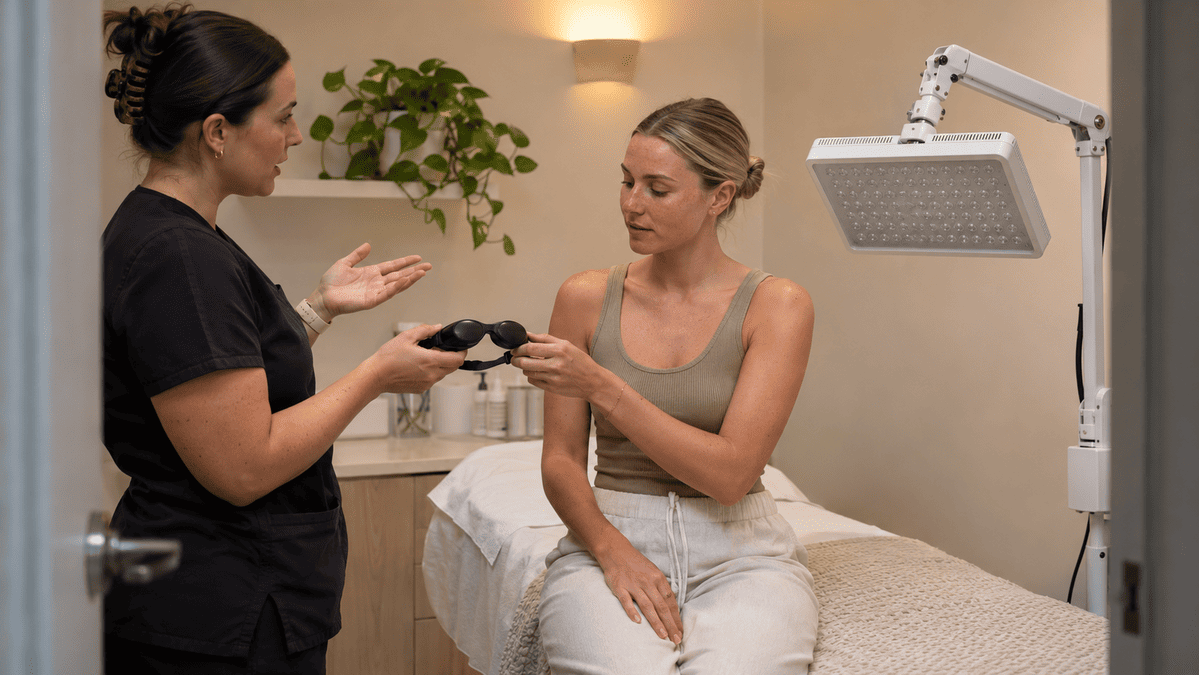
The appointment usually starts with a conversation about what you’d like to improve. Be specific. “I keep getting sore pimples along my jaw” gives the practitioner more to work with than “I want clearer skin”. Tell them which products and medicines you use, especially anything that makes you sensitive to light. Mention any history of skin cancer or eye conditions. If there’s a question about a prescription medicine, check with the clinician who prescribed it before changing how you take it.
Your face should be clean and free of make-up for the light treatment. Ask whether to arrive bare-faced or whether cleansing is included. If the booking combines LED with a peel or another treatment, find out what each step involves and which aftercare instructions apply.
Appointment descriptions can help you work out what to ask. For example, All Skyn’s LED light facial in Cairns lists a skin consultation and targeted LED sessions. When you enquire, ask how much time to set aside for the first visit and whether the quoted price covers the consultation.
What it feels like under the light
With an overhead panel, you’ll typically lie back while the practitioner positions the device above your face. They’ll provide protective goggles and explain how to wear them. The light may feel slightly warm. If you feel pain, uncomfortable heat or eye discomfort, tell the practitioner straight away. Cleveland Clinic describes a typical in-office light session of about 20 minutes, though the time can vary with the device and treatment plan.
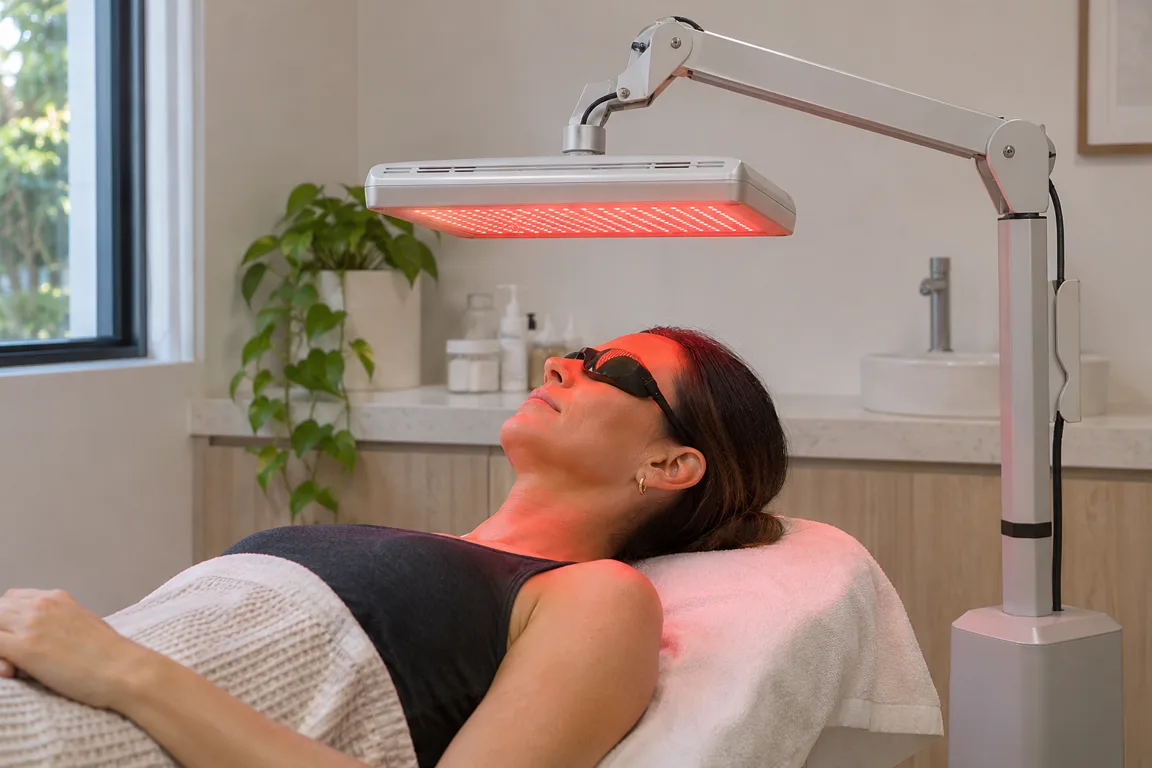
Before the session starts, try asking, “Which setting are you using today, and what change would you look for over time?” That connects the treatment to the concern you came in with and gives you something specific to discuss at a follow-up.
What to do when you leave
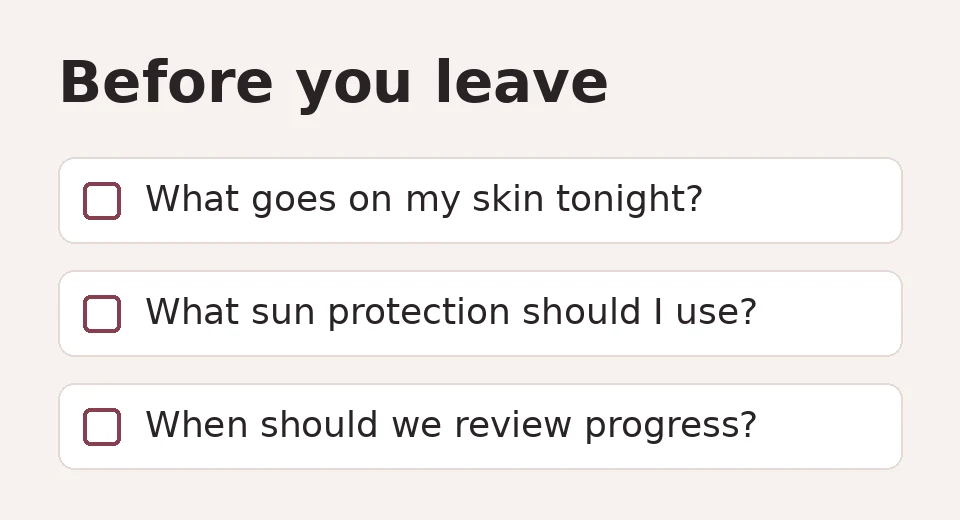
With a standalone LED session, you can generally get back to your day straight afterwards. Ask what to put on your skin that evening and whether to adjust anything in your usual routine, particularly if your facial included another treatment. If you’re heading outdoors, follow your provider’s advice and use sun protection.
If you’re thinking about buying a package, ask what improvement would be realistic, how the practitioner would assess it and when you’d review your progress. Studies use different devices and treatment schedules, and any visible changes can be subtle. It can take several sessions to judge whether the treatment is making a difference.
When to ask about other options
If acne is your main concern, visible-light treatments may help some inflamed pimples. The American Academy of Dermatology found insufficient evidence to make a guideline recommendation for light-based procedures for acne. If your breakouts are persistent, deep or leaving scars, start with your GP or a dermatologist to discuss the options for your type of acne.
If you’re mainly trying to work out why your skin looks dull, it’s worth getting clearer about what you’re seeing. Dryness, uneven texture and uneven tone may call for different next steps. Daily Highlights’ guide to skin treatments for dull skin explains how to narrow down that concern before choosing a facial.
A first visit should leave you with three clear answers. What is the practitioner treating, what should you do afterwards, and how will you decide whether another session is worthwhile?
You may also Like
What Happens During Dental Implant Treatment? A Step-by-Step Guide