





Why Some Homes Need a More Thorough Cleaning Approach
- November 02, 2026
- by
- thetradieguide@gmail.com
A kitchen can look spotless at a glance while the rangehood filter is coated in grease. A bathroom can smell fresh even though moisture keeps settling behind a cupboard. And a spare room can appear tidy until you move the furniture.
These aren’t signs that someone has failed to look after their home. They show the difference between keeping a space usable day to day and dealing with the dirt, dust or damage that builds up out of sight.
Some homes need a more thorough cleaning approach because of how the rooms are used, how long particular areas have been overlooked, or what has happened inside the property. Knowing which situation you’re dealing with helps you choose the right work without paying for unnecessary extras—or trying to clean a problem that first needs repair.
Quick Overview
- Routine cleaning manages fresh mess and commonly used surfaces.
- Detailed cleaning targets older build-up and less accessible places.
- Specialist work may be needed where contamination, significant mould, or unsafe conditions are involved.
- A useful quote starts with the property’s condition and a clear list of tasks, not just the number of rooms.
A regular clean and a thorough clean do different jobs
A regular clean is about staying on top of what happens during the week: crumbs on the bench, splashes around the sink, dust on reachable surfaces and dirt tracked through the hallway. Done consistently, those simple jobs prevent a lot of extra work later.
A more thorough clean slows down and looks beyond the obvious areas. It might involve shifting light furniture to reach edges, cleaning detailed fittings, removing older grease from kitchen surfaces, addressing stubborn soap residue or giving attention to skirting boards, cupboard fronts and other frequently missed spots. Exactly what’s included depends on the service and the home.
It’s not necessarily about using stronger products. Often the bigger difference is access, time, method and attention to detail. A cleaning product suitable for a benchtop may be the wrong choice for natural stone, delicate timber or a particular appliance finish. More chemicals do not automatically mean a better clean.
When ordinary maintenance is still enough
If the house is in reasonable condition, surfaces are easy to reach and dirt comes away during normal cleaning, a repeatable routine may be all that is needed. Having children, pets or guests does not, by itself, mean every room needs deep cleaning.
The places that quietly collect the most work
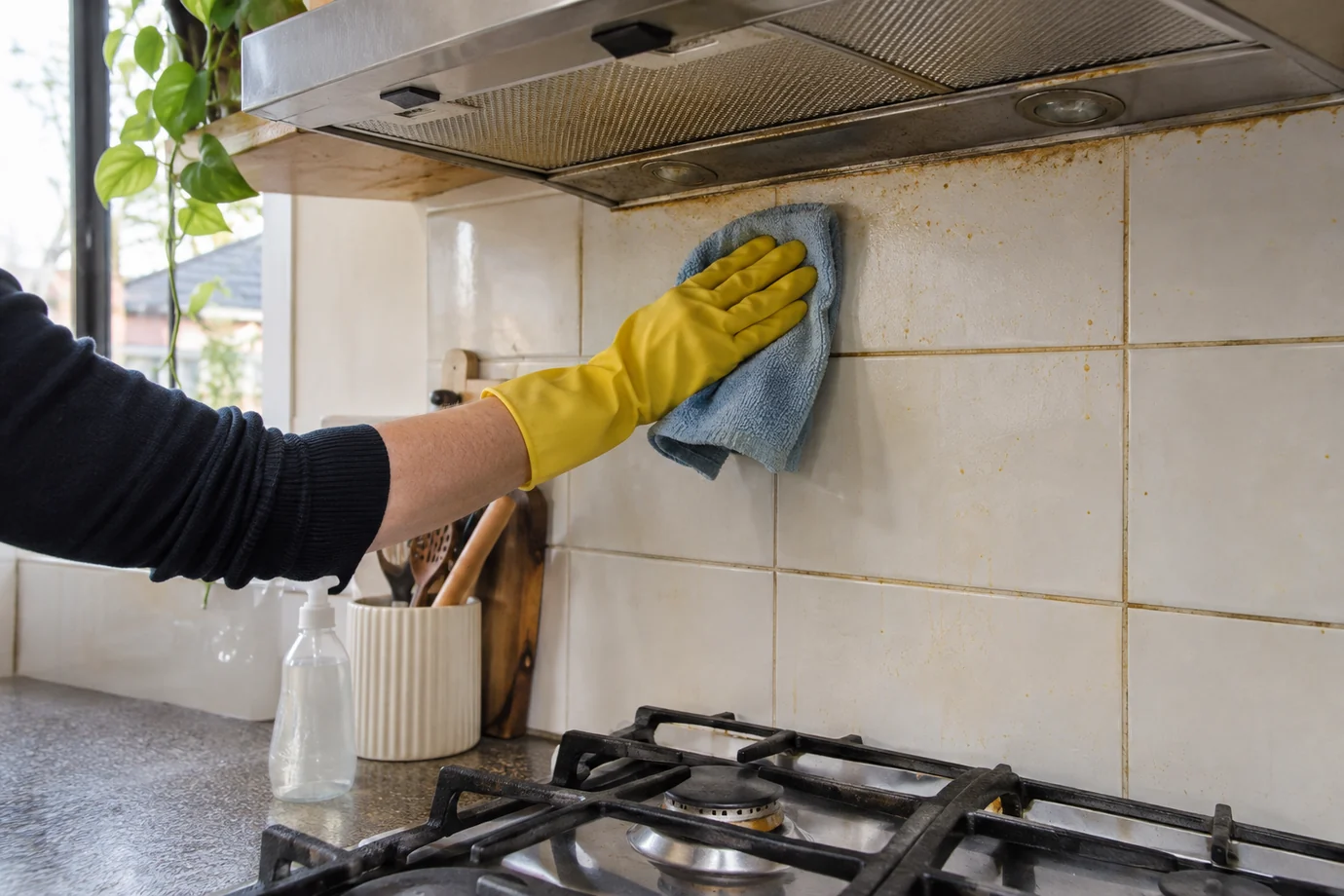
Kitchen grease is a good example. A quick wipe after cooking takes care of recent splashes, but repeated cooking can leave a film around the cooktop, splashback, rangehood and cabinet handles. The same kitchen can therefore feel clean during daily use while needing a separate session for older build-up.
Bathrooms have their own pattern. Soap residue settles on shower screens and fittings, while damp areas can develop recurring marks if ventilation is poor or a leak has gone unnoticed. Some marks are ordinary cleaning jobs; others point to a moisture problem that wiping alone will not fix.
Then there are the places people rarely look: behind heavy furniture, along skirting boards, at the edges of carpets, beneath beds and on high horizontal surfaces. Dust in those areas may build up gradually because moving furniture or using the right attachment takes more time than a weekly tidy.
It helps to identify the material before you clean
For example, greasy kitchen tiles, bathroom grout, a painted wall and a timber cabinet should not all be treated in the same way. Read the product label, check the surface manufacturer’s advice and test a small inconspicuous area when appropriate. If a mark appears to be damage rather than dirt, cleaning harder can make matters worse.
A home’s recent history can change the cleaning plan
A room that has been used and cleaned regularly is different from one that has been closed for months. The same applies to a property after a move, a renovation or a long period of limited upkeep.
A property that has been empty
Closed rooms may need careful dusting, ventilation checks and a closer look for damp patches or pests before routine cleaning begins. A musty smell needs investigation rather than simply being covered with fragrance.
A move or change of occupants
Once furniture and belongings are out of the way, previously hidden marks become visible. The condition of cupboards, appliances and floors matters more than a quick tidy. Rental properties can also have specific handover obligations under the relevant state or territory rules and tenancy agreement.
Work done inside the house
Minor decorating may leave ordinary dust; building or renovation work can leave finer debris and material-specific hazards. Do not assume every type of construction dust is safe to vacuum or sweep with household equipment. Ask the contractor what was used and what clean-up is required before reoccupying affected areas.
Periods when upkeep has been difficult
Illness, caring responsibilities, travel or a demanding schedule can make some cleaning tasks hard to keep up with. A practical plan starts with safe access, essential rooms and manageable stages—not judgement about how the home got that way.
These circumstances do not all call for the same service. A cleaner may be able to handle ordinary neglected areas, while a building defect, contamination or large accumulation may require a separate assessment.
Pets, dust and the surfaces we don’t see
Pet hair on the floor is easy to notice. Hair and dust caught in the edges of rugs, upholstery, bedding and other textiles are less obvious. A more detailed cleaning session might focus on these areas rather than simply washing every wall or cupboard.
For people sensitive to house dust mites, Victoria’s Better Health Channel suggests measures such as regular bedding washing, damp dusting and vacuuming. These steps can help reduce exposure, but cleaning cannot promise to remove every allergen or resolve a medical condition.

A sensible starting point is to work out which textiles and surfaces can be cleaned safely. Follow care labels for curtains, rugs and upholstery. Some items need professional fabric cleaning, while others may be better left alone than damaged by an unsuitable product.
Important distinction: a room that looks dusty usually calls for a cleaning plan. A room with a continuing leak or spreading mould first needs the cause identified and addressed. Appearance alone does not tell you whether a job is safe to handle yourself.
When more cleaning is not the whole answer
A detailed domestic clean can deal with a lot of ordinary built-up grime. It is not the same as specialist work for contamination, unsafe access or damage that needs repair. This distinction protects the people doing the work and helps householders avoid paying for the wrong service.
Recurring mould and moisture
Mould grows where moisture is present. If it keeps coming back, find the source—such as a leak, condensation or poor ventilation—rather than repeatedly scrubbing the same patch. The Better Health Channel’s mould-removal guidance explains protective precautions for small areas and advises professional help for large or recurring growth.
Children, pregnant people and those with weakened immune systems or chronic lung disease should not be present during mould removal, according to that guidance. Avoid dry brushing mould, and never mix bleach with other cleaning products. Healthdirect also warns that mixing household cleaning chemicals can produce dangerous fumes.
Unsafe or heavily affected spaces
Large volumes of waste, suspected bodily-fluid contamination, sharps, pest waste or blocked access are not simply tougher versions of mopping and dusting. The first step may be a safety assessment and a specialised plan, rather than sending someone to start cleaning immediately.
For households comparing House Cleaning Services, Mrs Muscle Cleaning lists domestic cleaning, deep cleaning and specialist cleaning options for Melbourne properties. That illustrates why it is useful to explain the property’s actual condition before requesting a quote, rather than assuming one type of clean will suit every situation.
Ask what the provider will inspect, what is included in the quoted scope and whether any repairs, waste handling or separate specialist services are needed first. A responsible answer may be that a particular job falls outside an ordinary house-cleaning booking.
How to choose the right level of help
Before spending a weekend cleaning—or arranging a professional visit—decide which of these descriptions best fits the room. The aim is not to label the whole house. It is to choose the next sensible step for the specific problem.
Choose the description closest to your situation
Fresh mess, reachable surfaces and no damage
A regular cleaning routine is usually the first option. Focus on frequently used surfaces, floors, bathrooms and kitchen maintenance; adjust the frequency to suit the household.
Older build-up in hard-to-reach or detailed areas
Plan a deeper clean with a written task list. Identify the worst areas, confirm which appliances or fittings are included, and allow enough time for detailed work instead of expecting every task in a short visit.
Leaks, heavy mould, contamination or unsafe access
Do not begin by treating this as an ordinary domestic cleaning job. Identify hazards, arrange repairs or a specialist assessment as needed, and clarify what safe cleaning can follow.
What to tell a cleaner before they quote
A clear description is more useful than saying the home needs a “proper clean”. Mention whether it is occupied or vacant, whether pets are present, whether there are delicate finishes, and which tasks are your priorities. If safe and appropriate, photographs of problem areas can help clarify the scope.
- Point out kitchen grease, shower deposits, dusty edges and other specific areas you want addressed.
- Ask if ovens, inside cupboards, window tracks, wall marks or furniture moving are included or charged separately.
- Explain any access limitations, parking arrangements or rooms that must be left undisturbed.
- Flag leaks, recurring mould, unpleasant odours or suspected hazards before anyone starts.
- Confirm the work, products, timing and any exclusions in writing.
It can also help to set a sensible priority. If the budget or available time is limited, a careful clean of the kitchen and main bathroom may be more useful than a rushed attempt to cover every corner of a large property.
Keeping the house manageable afterwards
A thorough clean should make daily upkeep easier, not create the expectation that everything must stay spotless. Once older build-up has been dealt with, small maintenance jobs can stop the same work from accumulating again.
Wipe food splashes while they are fresh, dry damp areas where practical, keep drains and extraction fans working, and use a realistic schedule for floors and bedding. Give less visible areas—such as skirting boards or under furniture—an occasional turn rather than attempting the entire house at once.
If a mark reappears despite cleaning, check whether it has a continuing cause. Grease might reflect regular cooking; damp patches might point to a ventilation or plumbing issue. This distinction matters because the right fix is not always more cleaning.
Start with the problem, not the product
Look at the places that routine cleaning misses, think about what has changed in the property, and separate ordinary dirt from moisture or safety issues. Then choose a realistic task list or seek an assessment where needed. The most thorough approach is the one that matches the home’s actual condition.
You may also Like

What Is a Tree Root Investigation Report and When Do You Need One?

What Affects the Cost of Pool Renovations in Australia?