




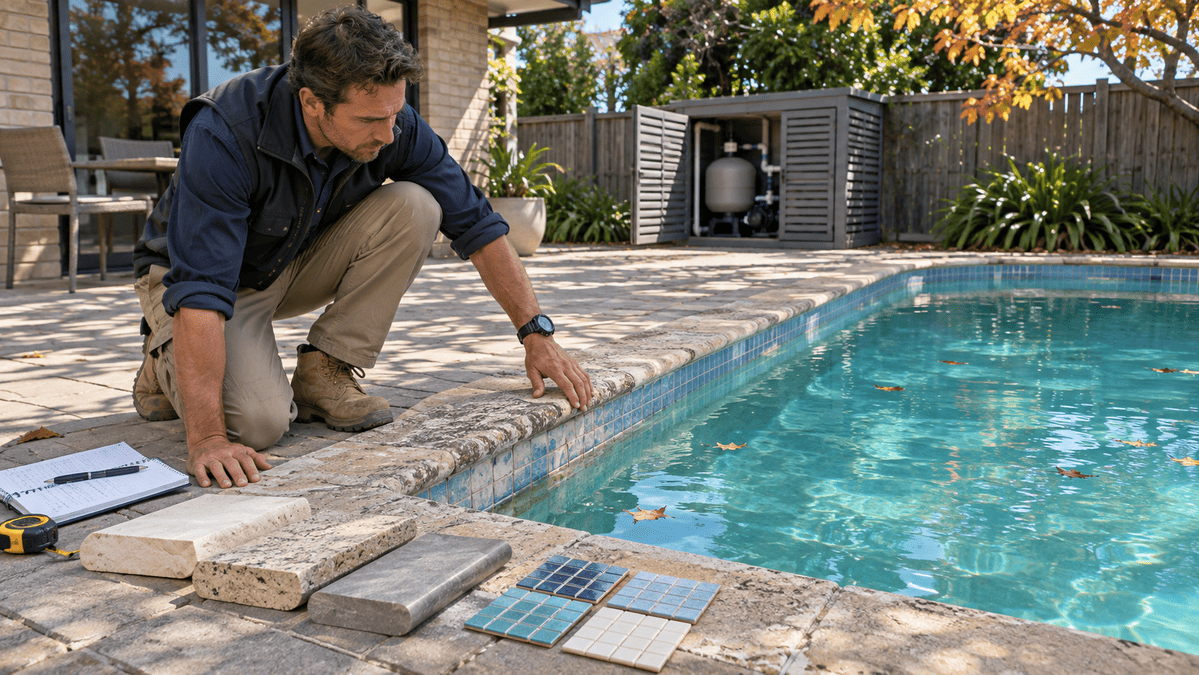
What Affects the Cost of Pool Renovations in Australia?
- November 16, 2026
- by
- thetradieguide@gmail.com
Two pools can look equally tired and need very different work. One might have a worn interior over a sound structure. Another may have loose coping, damaged plumbing and surrounding paving that needs rebuilding.
That difference matters when you start comparing prices. A renovation quote reflects the condition of the existing pool, the preparation required and everything included around it. The finish you choose is only part of the total.
Understanding those costs helps you set priorities, ask better questions and recognise when two quotes cover different jobs.
Quick Overview
- The existing pool’s condition determines how much repair and preparation is needed.
- Pool size, shape and finish affect material quantities and installation labour.
- Coping, paving, drainage and equipment can add separate work packages.
- Restricted access and waste removal can increase labour and handling costs.
- Quotes are easier to compare when they use the same written scope.
- Approval, licensing and pool barrier requirements need checking for your location.
Start with the condition of the existing pool
Before choosing tiles or colours, establish what needs attention beneath the finish.
Ask the contractor to assess the existing surface, visible cracks, loose tiles, coping and any signs of water loss. Explain recurring problems, previous repairs and anything unusual about how the pool operates.
Different problems require different investigations. A stained surface does not automatically mean structural damage, while unexplained water loss deserves attention before a new finish is applied.
Some conditions may only become clear once old materials are removed. Ask what the contractor can confirm during the initial inspection, what remains uncertain and how additional work would be priced.
An initial assessment should help separate three things:
- Work needed to address existing faults.
- Preparation needed for the selected finish.
- Optional improvements you would like to include.
That distinction gives you somewhere sensible to adjust the budget.
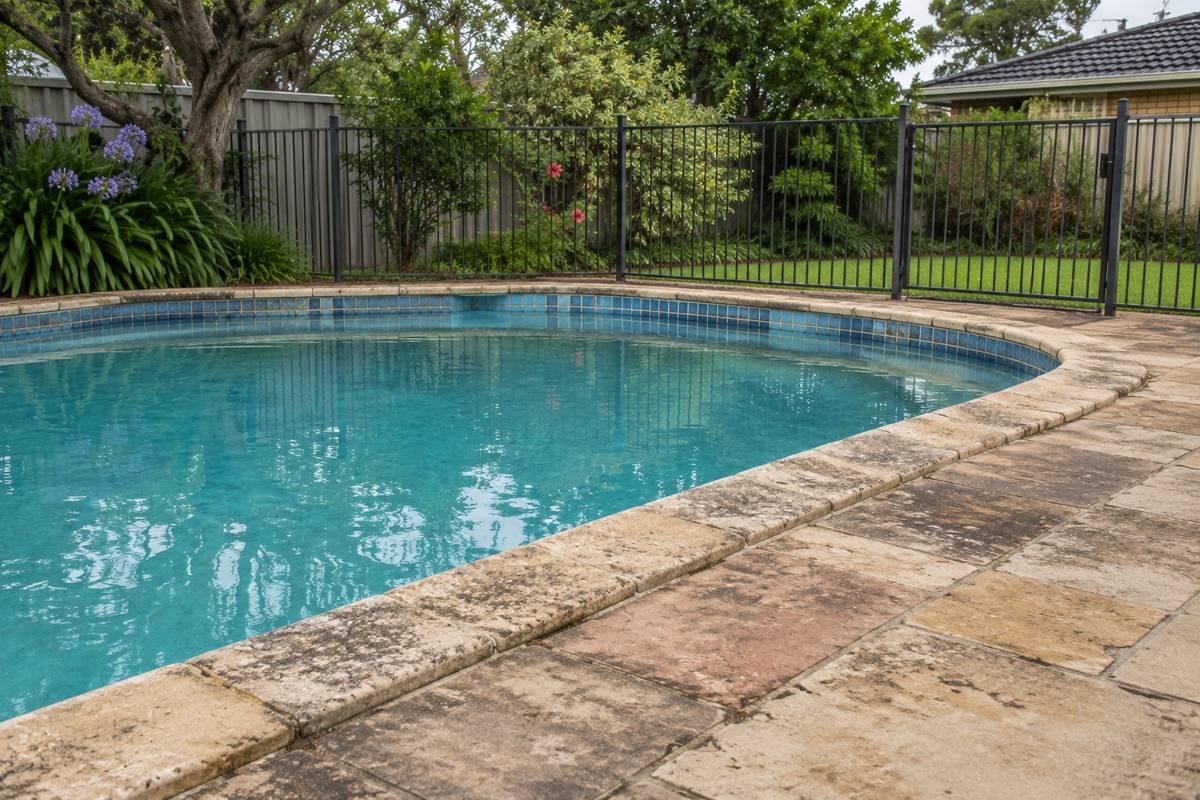
How much of the pool are you renovating?
“Pool renovation” can describe a surface refresh or a much larger project involving the pool and surrounding outdoor area.
| Scope | Work that might be included | Main question to ask |
|---|---|---|
| Interior refresh | Surface preparation and a compatible new interior finish | What repairs and preparation are included? |
| Tiling and edge upgrades | Waterline tiles, full tiling or replacement coping | Which areas and material specifications are covered? |
| Equipment upgrades | Pump, filter, chlorination or lighting changes | What installation and associated trade work are included? |
| Pool and surrounds | Interior work, paving, drainage and landscaping | Who coordinates the work between each trade? |
| Structural alterations | Changes to steps, dimensions or other built features | What assessment, design and approvals are needed? |
For Sydney homeowners investigating Pool Renovations, A Grade Pools describes services covering interiors, coping, surrounds and equipment. That range illustrates why a useful enquiry should identify which parts of the existing pool you want assessed.
Keep optional items separately priced where possible. You can then see what changes if you retain the current surrounds or postpone a decorative upgrade.
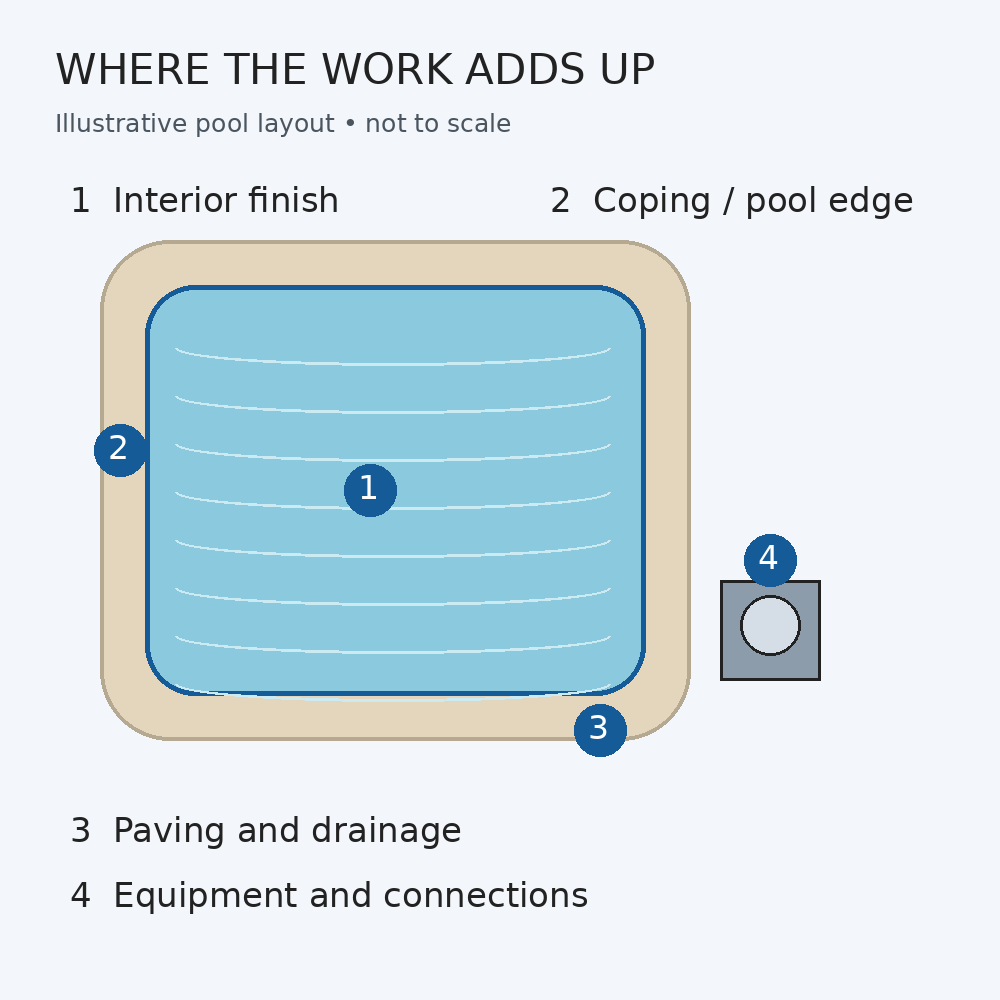
Size and shape affect more than material quantities
A larger interior generally requires more preparation and finishing material. However, the pool’s footprint alone does not describe the whole job.
Depth, steps, benches, curves and detailed edges can affect the surface area and installation effort. Intricate shapes may involve more cutting and finishing than straightforward sections.
Ask how quantities have been measured. Interior finishes may be priced by surface area, coping by length, and equipment as individual supplied-and-installed items.
A simple comparison such as “price per square metre” becomes less useful when one quote includes extensive preparation and another lists only the finish.
The finish changes both preparation and installation
Painted coatings, aggregate finishes and tiles involve different materials and installation processes. Their suitability also depends on the existing pool and the proposed system.
Ask the contractor to explain:
- Why the proposed finish suits your pool.
- What existing material needs removing.
- How the surface will be prepared.
- Which repair or waterproofing work is included, where applicable.
- What curing, refilling and start-up instructions apply.
- What maintenance and warranty conditions accompany the system.
Compare the complete installed specification. A material sample shows colour and texture; it does not explain the work required underneath.
If you are considering a more expensive finish, ask for the difference in the total installed price. That is more useful than comparing supply prices alone.
Coping, paving and drainage can expand the project
Coping is the edging around the top of the pool. Replacing it can involve removing existing materials, preparing the base and coordinating the junction with nearby paving.
Once work extends beyond the pool edge, consider how the surrounding area functions. Are surfaces uneven? Does water collect where people walk? Will new paving levels affect gates or the pool barrier?
Daily Highlights’ guide to signs your yard needs professional landscaping offers related context if the wider outdoor area also needs attention.
Ask for a clear boundary between pool work and landscaping. Your quote should show who handles drainage, reinstatement and any areas disturbed during construction.
Equipment needs its own assessment
An interior renovation provides an opportunity to review equipment, but replacement should follow an assessment of condition and suitability.
Ask which existing components can remain and why any proposed replacements are recommended. Record the make and model of new equipment, together with installation requirements.
Check whether the price includes connections, removal of old equipment, commissioning and operating instructions. Lighting changes may also involve separate electrical work.
If running costs are part of the sales discussion, request the assumptions behind any savings estimate. Performance depends on the selected equipment and how the pool is operated.
Access and waste removal affect labour
A narrow side passage, steep block or long distance between the street and pool can change how materials and debris are handled.
Discuss access during the site visit. Identify gates, stairs, surfaces requiring protection and space for deliveries or waste containers.
Confirm whether the quote includes:
- Removal and disposal of old materials.
- Protection of nearby surfaces.
- Delivery and handling charges.
- Pool draining and the proposed discharge arrangements.
- Refilling and start-up responsibilities.
- Final cleaning and site reinstatement.
Small exclusions can become separate expenses, especially when several trades are involved.
Check local requirements before setting the final budget
Requirements vary across Australia. Confirm what applies to your property and the proposed work with the relevant authority and contractor.
In NSW, government guidance says pool work over $5,000 requires an appropriately licensed contractor and a written contract. Pool construction or renovation projects over $20,000 including GST require Home Building Compensation Fund cover. Check that the contracting name matches the relevant licence. NSW Government: pool building rights and obligations
Pool barriers also need early consideration. NSW guidance explains that modifying a barrier, including through some house or yard renovations, can change the requirements that apply. Discuss proposed changes to fencing, paving levels and surrounding structures before committing to the layout. NSW Government: pool owner obligations
Include any identified compliance work in the scope so it can be considered alongside the finishes.
Compare quotes using one written brief
Give each contractor the same description of the work. Include photographs, known faults, preferred finishes and the items you want retained.
Then compare preparation, material specifications, equipment, exclusions, timing and payment stages. Ask whether GST is included and which amounts are fixed or remain allowances.
Keep a separate reserve for unresolved conditions identified during assessment. Its size should reflect those uncertainties rather than an arbitrary percentage.
Agree on how changes will be documented. NSW guidance requires written, signed variations explaining their effect on the contract price, with limited exceptions for urgent work involving danger or property damage. NSW Government: residential building contracts
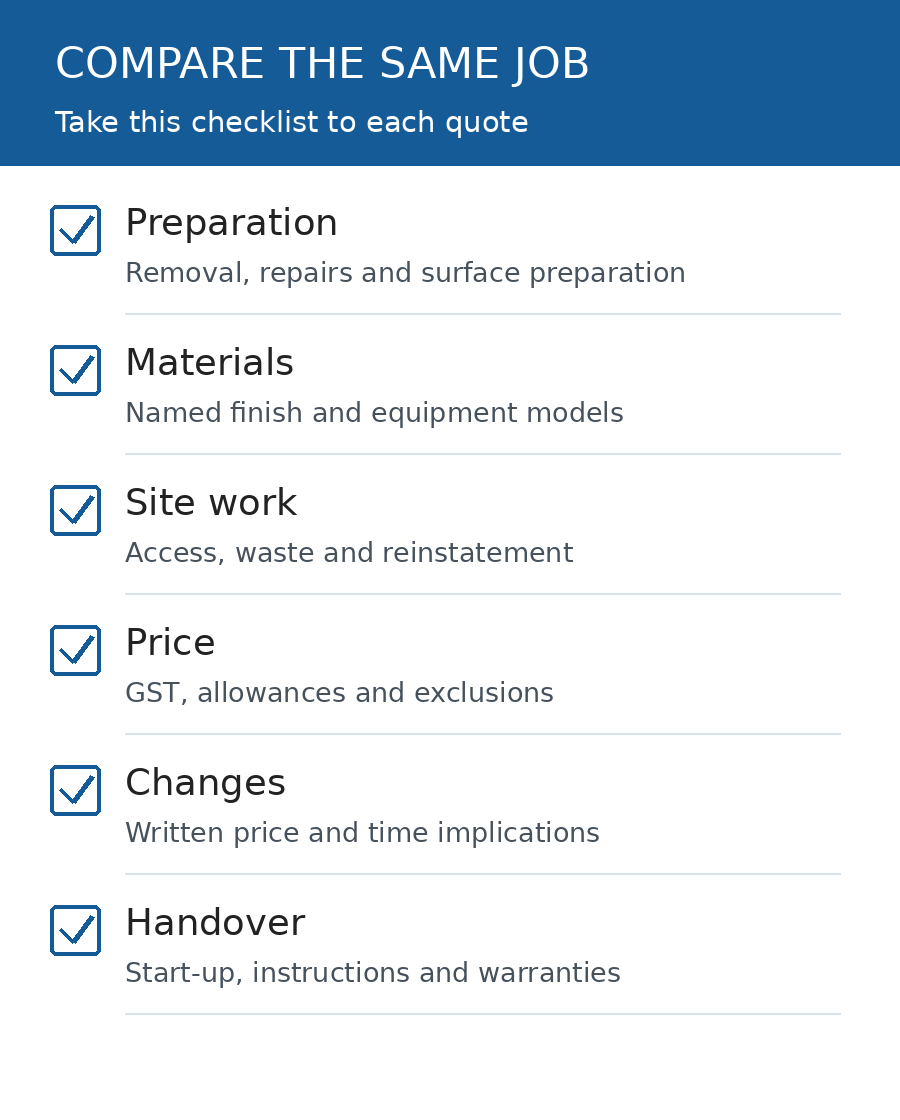
Build the budget around a clear scope
A useful pool renovation budget starts with an assessment, followed by a written description of the work. Establish the necessary repairs, choose a suitable finish and price the surrounds and equipment separately where practical. Check access, disposal, local requirements and handover responsibilities before comparing totals.
You can then decide where additional spending improves the result and which optional upgrades can wait. A well-explained quote makes those choices easier because you can see what each amount covers. Before signing, resolve unclear exclusions and agree on how unexpected conditions will be assessed, priced and approved.
You may also Like
What Is a Tree Root Investigation Report and When Do You Need One?

Which Garage Door Parts Can You Replace Yourself?